
News
Top 5 Myths About Wind Measurement… Debunked!

Oct
Top 5 Myths About Wind Measurement… Debunked!
Wind measurement plays a vital role across a wide range of industries and activities – from sailing and ballistics to weather forecasting and renewable energy projects.
Yet, despite its importance, several misconceptions persist – often leading to inaccurate readings, inefficient setups, or even missed performance opportunities.
Let’s clear the air and debunk the top five myths about wind measurement once and for all.
Myth 1: All Wind Meters Are the Same
Debunked: Not all wind meters are created equal.
Different applications require different levels of precision, durability, and features. For instance, a meteorological anemometer is engineered for atmospheric research, while a sailing wind meter may include solar power integration or Bluetooth connectivity for real-time tracking.
If you’re looking for reliability and portability, explore our Portable Solar Wind Meter – designed for users who demand both accuracy and convenience.
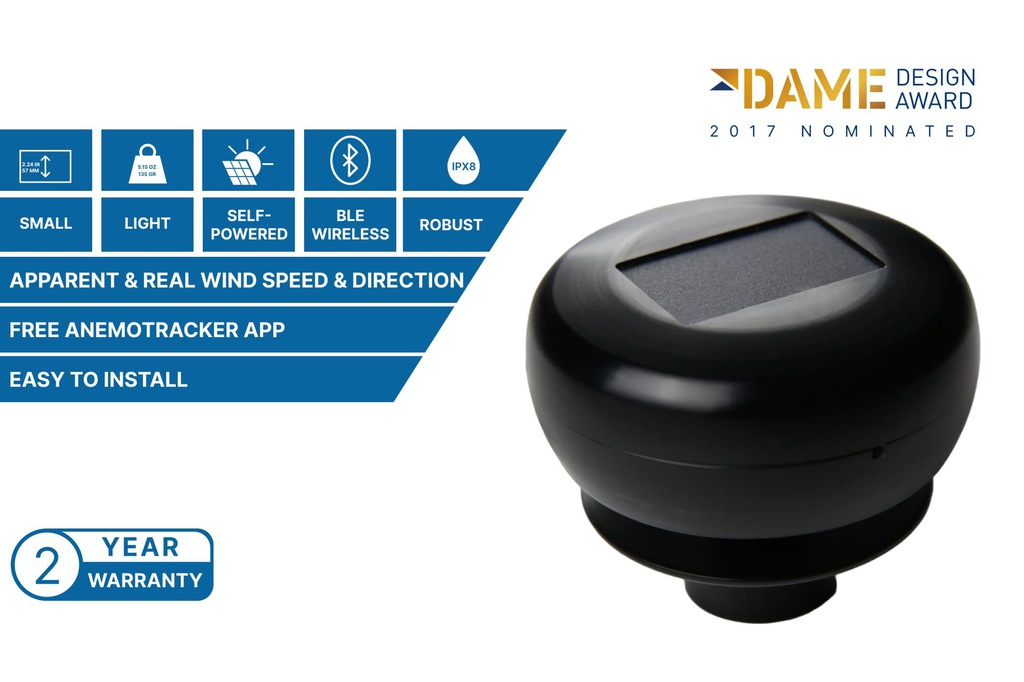
👉 Explore the Portable Solar Wind Meter HERE! ⤵️
Myth 2: Wind Direction Doesn’t Matter Much
Debunked: Wind direction is just as critical as wind speed.
In sailing, knowing the direction of the wind determines navigational strategy and race performance. In ballistics, even a slight directional shift can influence trajectory accuracy.
Modern ultrasonic wind meters provide precise data for both wind speed and direction, helping you make smarter, data-driven decisions.
Myth 3: Wind Measurement Only Matters in Extreme Weather
Debunked: Accurate wind measurement isn’t just for storms or harsh conditions – it’s essential every day.
From training sessions and competitive sailing to renewable energy optimization, consistent wind data ensures better planning, safety, and performance.
Whether you’re setting up a wind turbine or calibrating equipment, routine measurements help you stay ahead of changing conditions.
Myth 4: Manual Wind Measurement Is Just as Accurate
Debunked: While observing flags or visual cues can provide rough estimates, nothing compares to the precision of a modern wind meter.
Ultrasonic sensors capture real-time, high-resolution data that’s simply unattainable through manual methods.
For competitive environments or mission-critical projects, relying on advanced technology ensures accuracy, consistency, and confidence in every reading.
Myth 5: Wind Meters Are Complicated to Use
Debunked: Today’s ultrasonic wind meters are built with simplicity in mind.
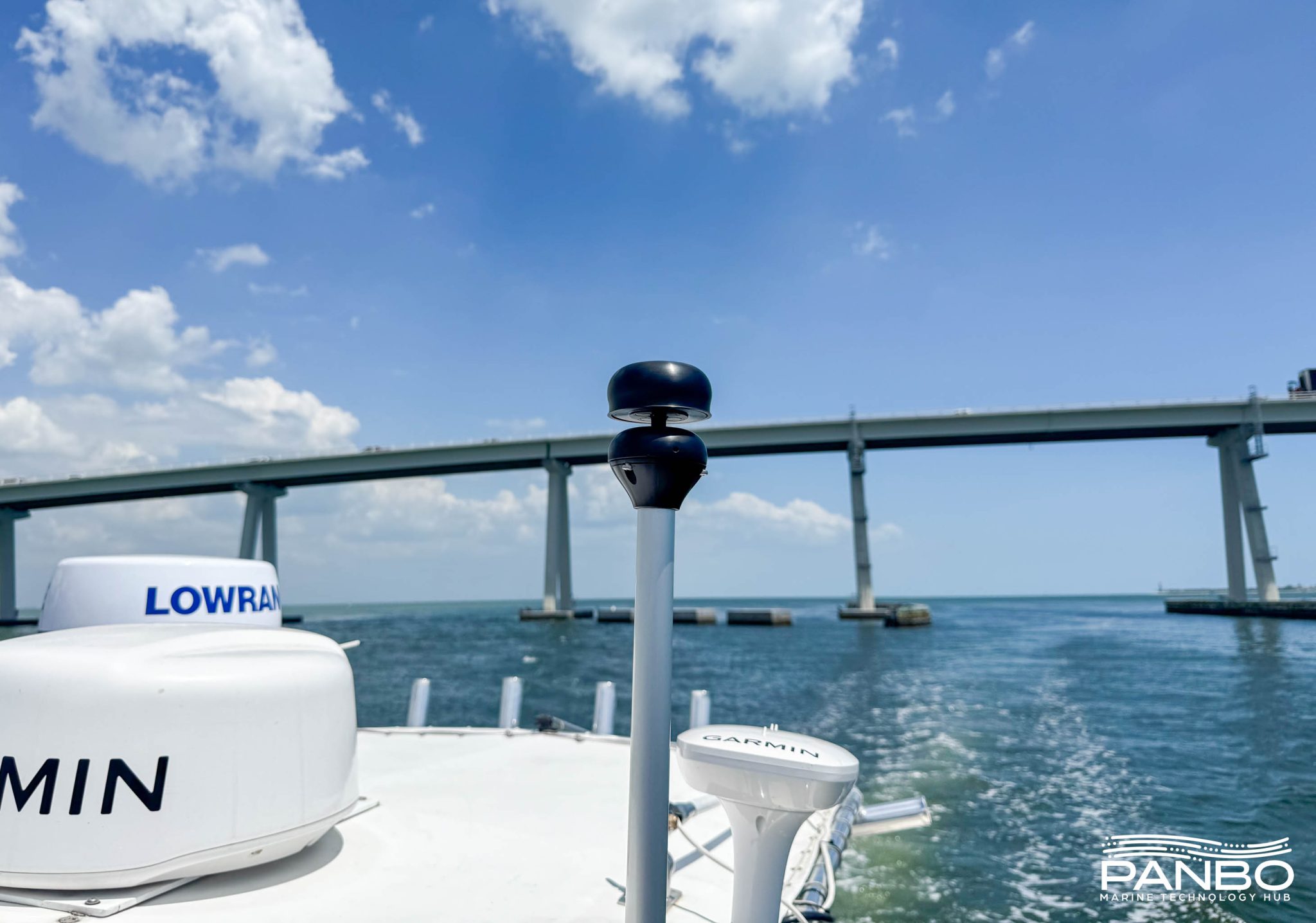
With intuitive interfaces, Bluetooth connectivity, and seamless app integration, they’re easy to set up and use – even for first-time users.
Plus, with step-by-step manuals and dedicated customer support, you can start capturing precise data within minutes.
Conclusion
Accurate wind measurement is more than just numbers – it’s the foundation for performance, safety, and efficiency.
By separating fact from fiction, we hope this helps you make informed decisions when choosing the right tools for your needs.
➡️ Explore our range of ultrasonic portable wireless wind meters for unmatched accuracy, portability, and ease of use – designed for professionals and enthusiasts who value precision. 👇
SHOP NOW
