
News
Mechanical vs Ultrasonic Anemometers: Which One Should You Choose?
Oct
🌬️ Mechanical vs Ultrasonic Anemometers: Which One Should You Choose?
When it comes to measuring wind, the technology behind your anemometer can make all the difference. From accuracy and durability to maintenance and response speed, your choice determines how reliable your wind data will be.
If you’re deciding between a mechanical or ultrasonic wind meter, this guide will help you understand how they work, their advantages and drawbacks, and why ultrasonic technology is increasingly becoming the preferred choice.
⚙️ Mechanical Anemometers: The Traditional Choice
How They Work
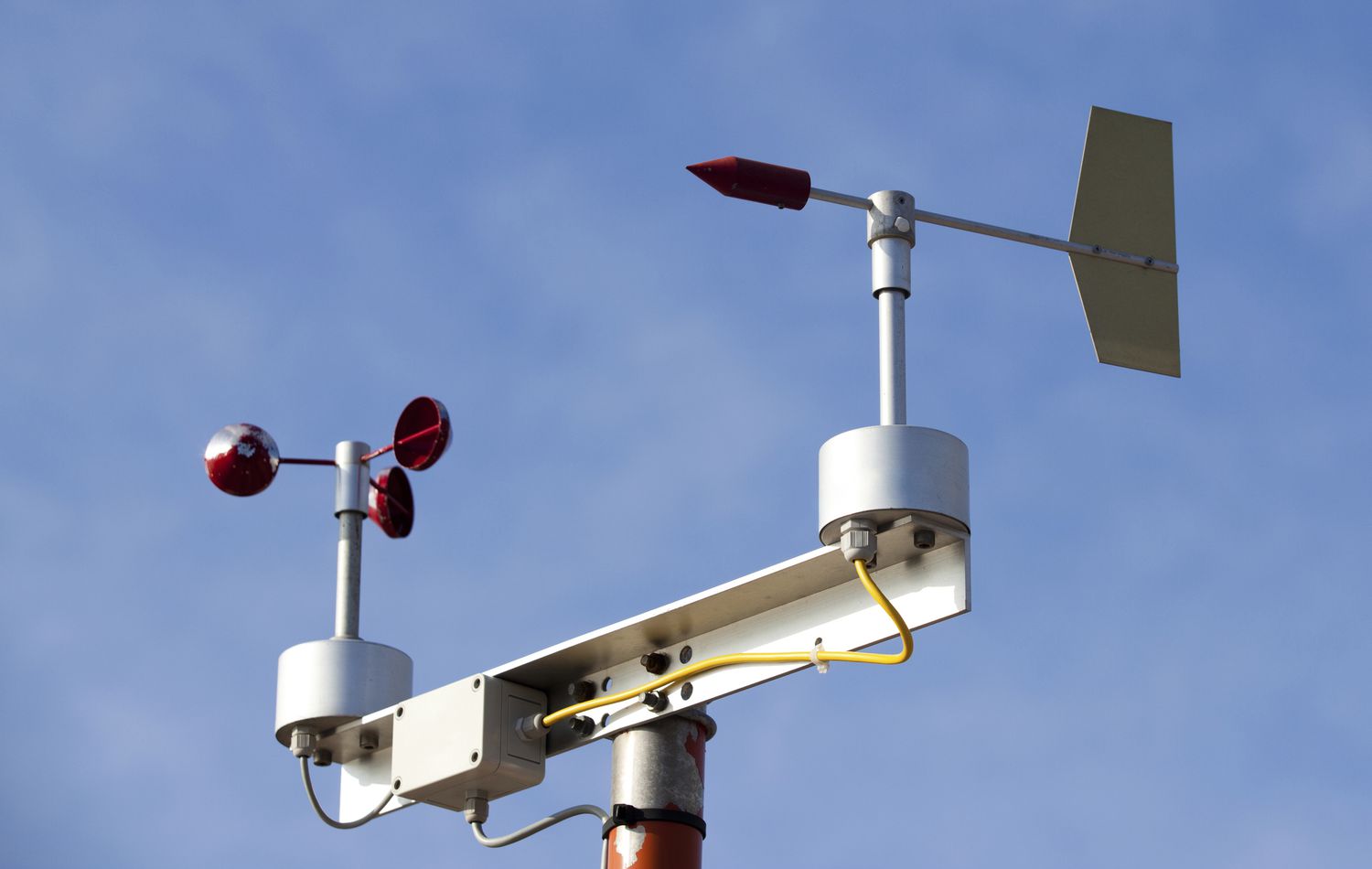
Mechanical anemometers have been around for decades. They typically feature rotating cups or vanes that catch the wind – the rotation speed measures wind velocity, while the vane aligns to indicate direction.
This simple design makes mechanical anemometers a familiar and trusted option for many users.
Key Benefits
-
Simplicity & Reliability: Easy to understand and operate, mechanical models have stood the test of time.
-
Cost-Effective: Often less expensive upfront than ultrasonic models, making them appealing for those on tighter budgets.
Drawbacks
-
Wear & Tear: Moving parts mean friction, which leads to gradual wear and the need for periodic maintenance.
-
Delayed Response: Due to physical inertia, mechanical sensors can lag behind in rapidly changing wind conditions.
-
Limited Precision: While fine for steady winds, they can struggle to capture gusts and turbulent air accurately.
💨 Ultrasonic Anemometers: The High-Tech Solution
How They Work
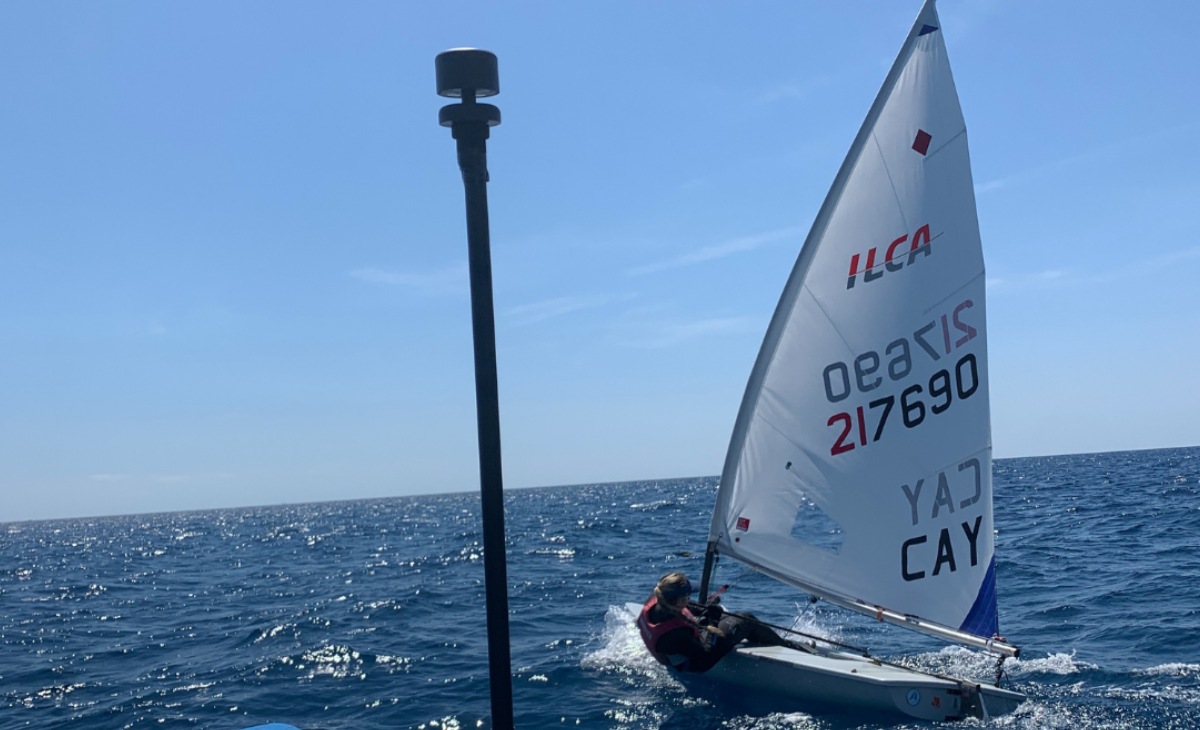
Ultrasonic anemometers use high-frequency sound waves to measure wind speed and direction – no moving parts required.
Pairs of transducers send and receive ultrasonic pulses, and by calculating how long it takes for sound to travel between them, the device can determine both speed and direction with high precision.
Key Benefits
-
Maintenance-Free: With no moving parts, there’s nothing to wear down – meaning years of consistent performance.
-
Instant Response: Ultrasonic sensors deliver real-time data without lag, ideal for environments where conditions change rapidly.
-
Exceptional Precision: They provide highly accurate readings, even in turbulent or gusty conditions, making them a top choice in meteorology, sailing, and aviation.
-
Durability: Built to endure harsh weather, ultrasonic models are robust and resistant to environmental damage.
🏆 Why Ultrasonic Anemometers Lead the Way
The shift towards ultrasonic wind measurement reflects a broader move toward accuracy, reliability, and low maintenance.
Their instant, precise readings make them ideal for industries where every second of data matters – from professional weather monitoring to sailing and agricultural applications.
When long-term performance and reliability are priorities, ultrasonic technology stands above traditional mechanical options.
🌦️ Recommended Ultrasonic Wind Meters
Upgrade your wind measurement accuracy with our advanced ultrasonic models:
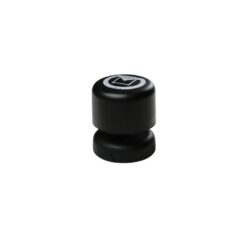
🔹 Calypso Ultrasonic Portable Mini (25m/s)
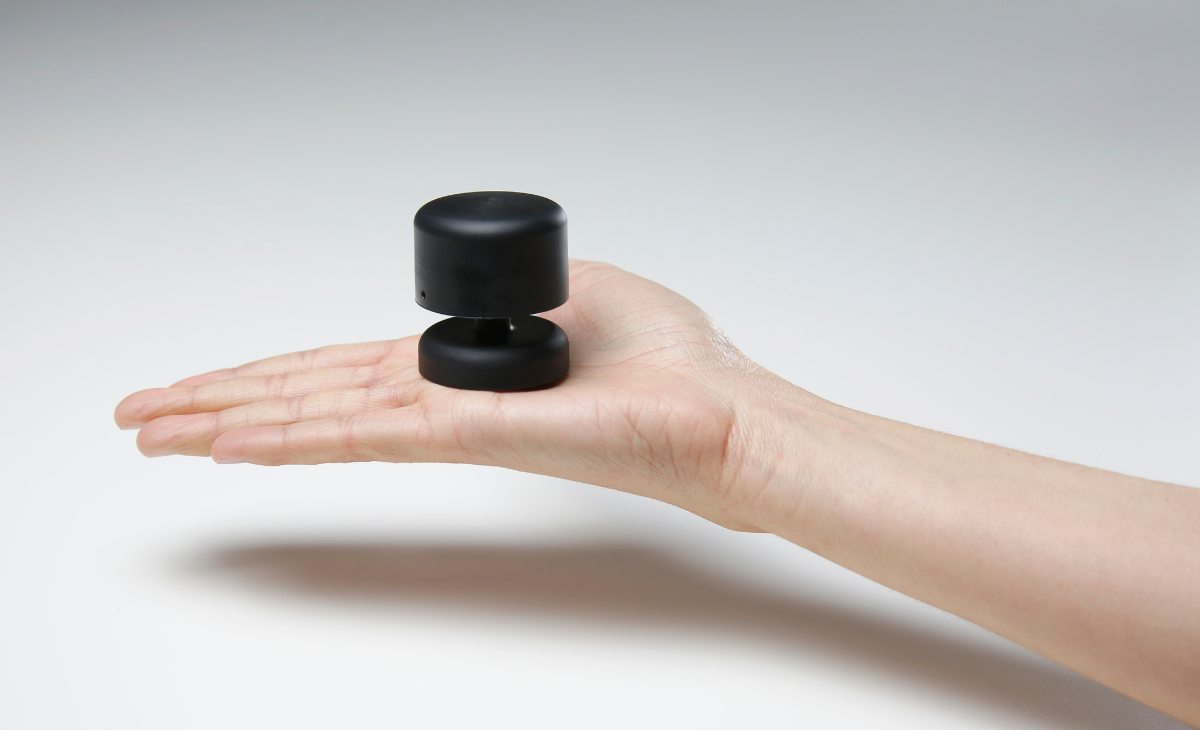
Compact, high-precision, and easy to use – perfect for professionals on the go. ⤵️
🔹 Calypso Ultrasonic Portable Mini (25m/s) Bundle + WeatherDot Sensor
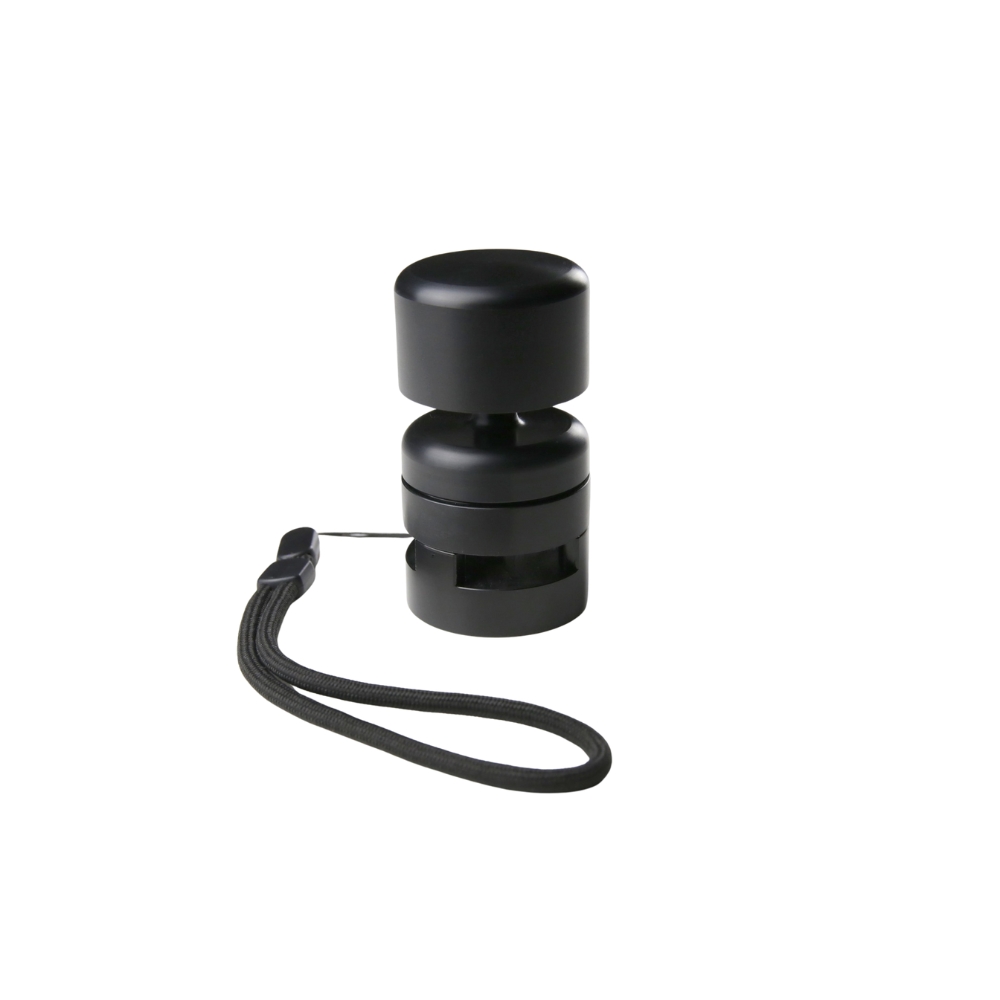
A complete solution for tracking wind, temperature, humidity, and pressure in one smart bundle. ⤵️
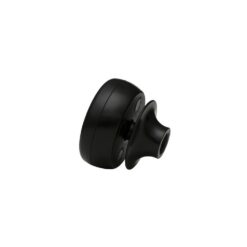
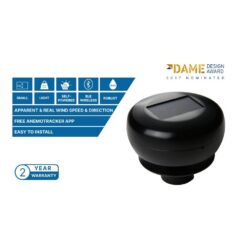
🔹 Calypso Ultrasonic Portable Solar Wind Meter
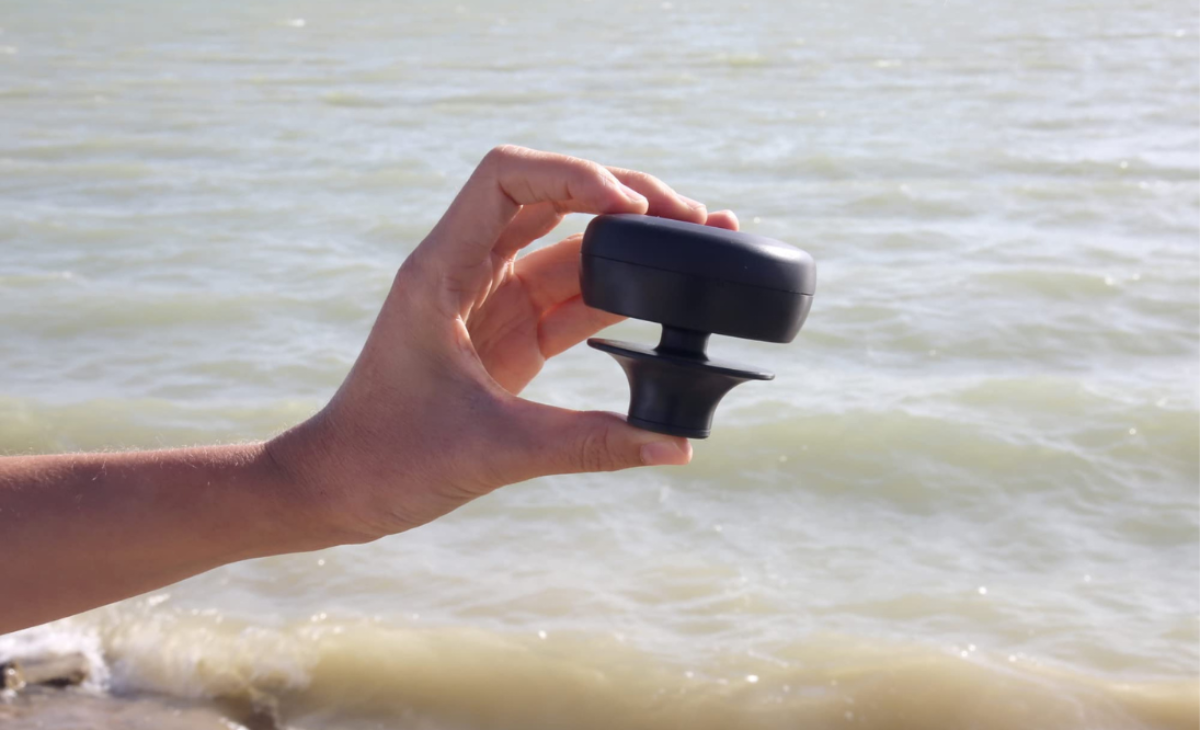
Solar-powered performance for continuous outdoor monitoring – efficient and sustainable. ⤵️
🌬️ Final Thoughts
Whether you’re a sailor, pilot, or meteorology professional, choosing the right wind meter is essential for reliable data.
While mechanical anemometers offer simplicity, ultrasonic anemometers deliver unmatched precision, instant data, and zero maintenance — the smart choice for modern applications.
